If you’ve been researching Sellvia recently, you’ve probably noticed that a lot of the information out there is outdated, vague, or written by people who clearly just want you to click their affiliate link. This article is neither of those things.
I’ve spent several months on the platform, made mistakes, figured things out, and I want to give you a clear picture of exactly how Sellvia works as a SaaS product - how the money flows, what you’re actually paying for, and where people tend to trip up.
Let’s get into it.
What You’re Actually Buying
Sellvia is a subscription-based SaaS platform. For $39 per month, you get access to a fully built online store and a catalog of digital products - courses, guides, templates, and similar content - that are ready to sell from day one.
The key word here is access. You’re not buying a store, you’re renting one. The products in the catalog belong to Sellvia. The store infrastructure belongs to Sellvia. Your subscription is what keeps the lights on. Cancel it, and you lose access.
This is important to understand upfront because a lot of frustration in the community comes from people who didn’t quite grasp this going in.
Show Image
Think of it like a Netflix for ecommerce infrastructure - you pay monthly, you get a fully functional tool, and as long as you’re subscribed, everything works. The difference is that with Sellvia, the tool is designed to generate income, not just consume content.
The Store Setup
When you sign up, Sellvia builds your store within one business day. You answer a short questionnaire about your preferences and niche direction, and they handle the technical setup - design, domain options, product catalog population, payment integration.
For most people this is genuinely the easiest part. The store looks professional out of the box, product pages come with copy and visuals already done, and the dashboard is straightforward enough that you don’t need any technical background to navigate it.
You also get a personal manager assigned from day one. This is a real person, not a chatbot - someone you can contact when you’re stuck or need direction. In early 2026, Sellvia restructured their entire support operation and cut average response times down to around 30 minutes. For context, this was a major pain point a year ago, so it’s a meaningful improvement.
How You Actually Make Money
This is the part that needs the most explanation, because the flow is specific and misunderstanding it causes problems.
Here’s the sequence:
- A customer visits your store and makes a purchase.
Your store is live on the internet. You’ve been driving traffic to it through social media, ads, SEO, whatever method you’re using. A stranger finds a product they want and buys it. - You process the order.
Before the commission is yours, you need to process the order - meaning you cover the product cost. You can do this manually by card, or automatically if you maintain a prepaid balance in your account. Most serious users keep a running balance and let it process automatically. It’s cleaner and means you’re not manually approving every transaction. - Commission hits your Sellvia Payments balance.
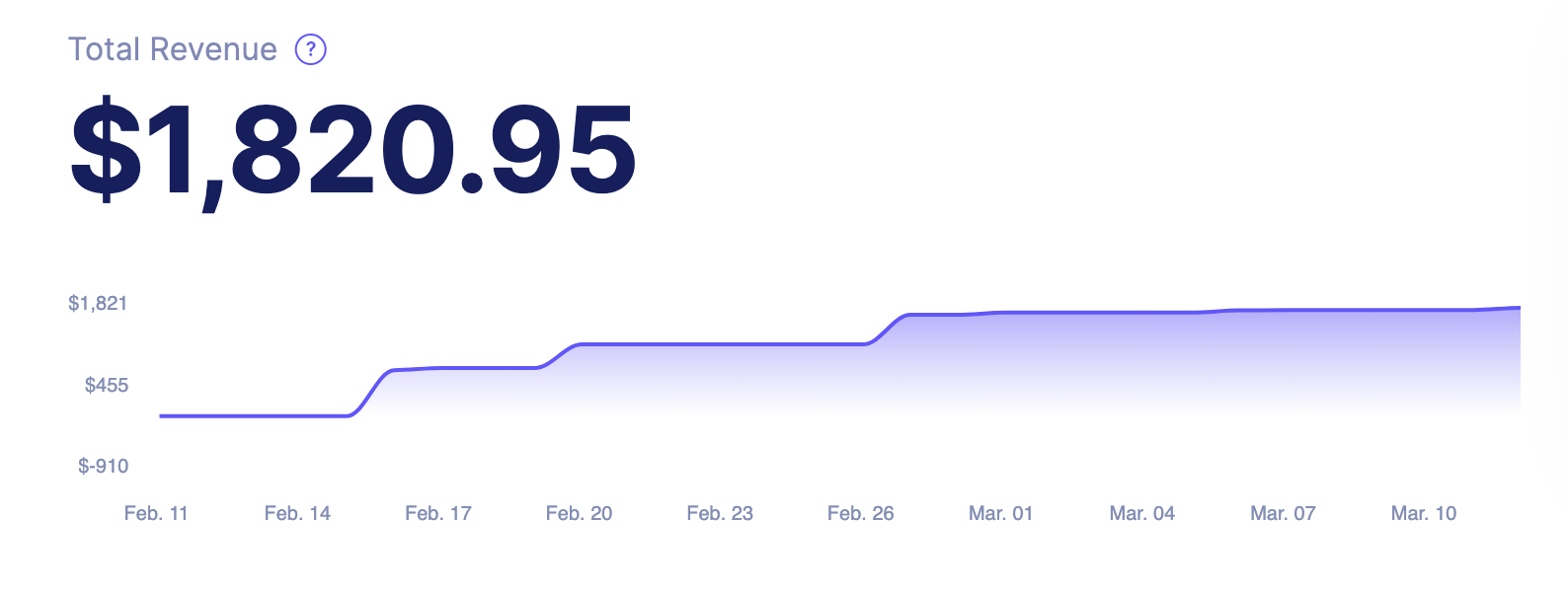
After the order is processed, your commission is credited to your internal balance. The margin between what the customer paid and what you paid to process the order is your profit. - Withdrawal.
Minimum withdrawal is $100. Transfers go out via wire or ACH only - bank transfer, not PayPal or instant payment services. There’s also a risk reserve period that begins after each processed order, so don’t plan your cash flow around same-day access to your earnings.
Show Image
The math on this is important. Your revenue isn’t what your customer pays - it’s what’s left after the order cost. Before you commit to any marketing spend, make sure you know your actual margin per product. This is where a lot of people go wrong.
The Free Trial - Read This Carefully
Sellvia offers a 14-day free trial. What that covers is the basic subscription only.
Any additional services - marketing packages, product bundles, premium tools, upgraded tiers - are charged from day one, regardless of whether you’re in a trial period. This isn’t hidden, but it’s easy to miss when you’re excited about getting started and clicking through the onboarding flow quickly.
The practical advice: during your trial, explore the dashboard, understand the product catalog, get familiar with how orders work. Don’t buy anything extra until you’ve had a chance to actually understand what you need.
Traffic - The Part That’s Actually Your Job
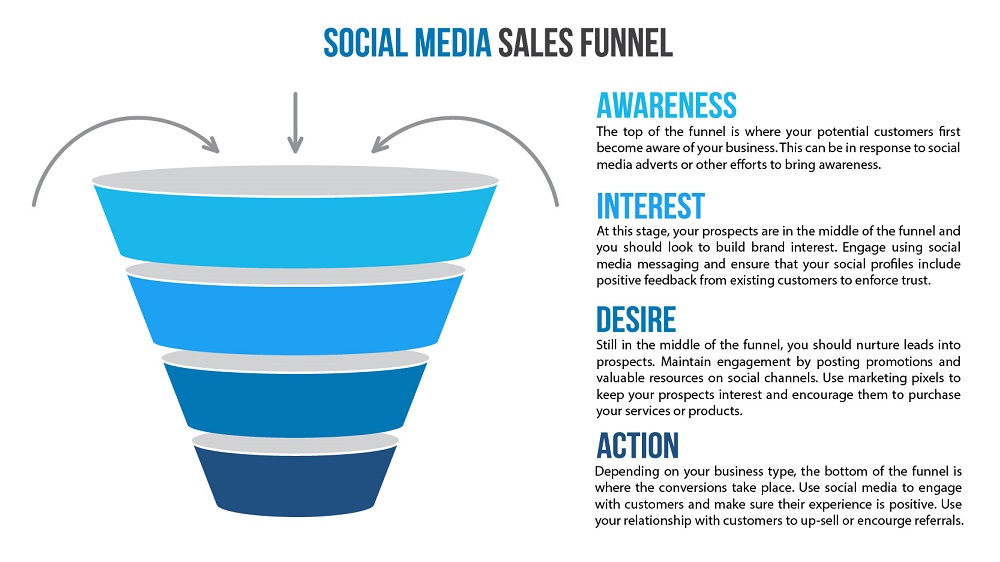
Here’s the honest truth that the platform marketing tends to undersell: Sellvia handles the store, the products, and the fulfillment infrastructure. Everything related to getting customers to your store is on you.
The store doesn’t come with built-in traffic. The catalog doesn’t promote itself. Your subscription doesn’t include ad spend.
This is where most people either succeed or fail, and it has nothing to do with Sellvia specifically - it’s just the reality of running any online business.
What’s working for people right now:
Pinterest - slow to start, but compounds well over time for digital product content. Consistent daily pinning over 4–6 weeks before you judge results.
TikTok organic - short-form content in the “here’s what I learned” or “tool that helped me” format. Lower barrier to entry than paid ads, and the right 500 viewers convert better than 50,000 random impressions.
Facebook groups - not link-dropping, just being genuinely present and helpful in relevant communities. Traffic that comes from this converts well because there’s existing trust.
Paid ads - viable once you know which products and pages actually engage organically. Running paid traffic to an untested page is expensive guesswork.
Realistic timeline: most users who are consistent with marketing start seeing meaningful traffic around month 3–4. Month one and two are almost always the grind phase. If you’re measuring success at week three, you’re measuring too early.
Who This Platform Makes Sense For
Good fit:
Complete beginners who want a structured, ready-to-go setup without building anything from scratch
People willing to learn and apply digital marketing consistently
Anyone who values having a personal manager and structured onboarding
Entrepreneurs who want a low-overhead business model with no inventory or logistics complexity
Not the right fit:
Anyone expecting truly passive income with minimal effort
People who want full control over store design, product selection, or platform infrastructure
Those who need instant access to earnings without a minimum withdrawal threshold
Final Thought
Sellvia is a real, functional SaaS platform with solid infrastructure and a business model that works - if you work it. The store setup is genuinely easy, the support has improved dramatically, and the commission model is straightforward once you understand it.
What it isn’t is a shortcut. The people making consistent money on this platform are the ones who treat it like a business, invest time in marketing, and don’t give up after a slow first month.
Go in with clear expectations and it’s a solid foundation. Go in expecting the platform to do everything for you and you’ll be disappointed.
