Is Sellvia Legit? Or Is the Risk Just Shifted Onto You?
Every time someone asks “Is Sellvia legit?”, what they really mean is:
“Is this safe - or am I stepping into something I don’t fully control?”
So let’s talk like adults.
No hype.
No fake outrage.
No pretending it’s perfect.
First - Is It a Fake Operation?
No.
Stores are built.
Products exist.
Orders ship.
Tracking numbers work.
Infrastructure functions.
There’s no evidence of:
-
Fake dashboards
-
Non-existent fulfillment
-
Money vanishing randomly
-
Completely inaccessible support
So if by “scam” someone means a fake shell operation - this isn’t that.
But that’s not the real debate.
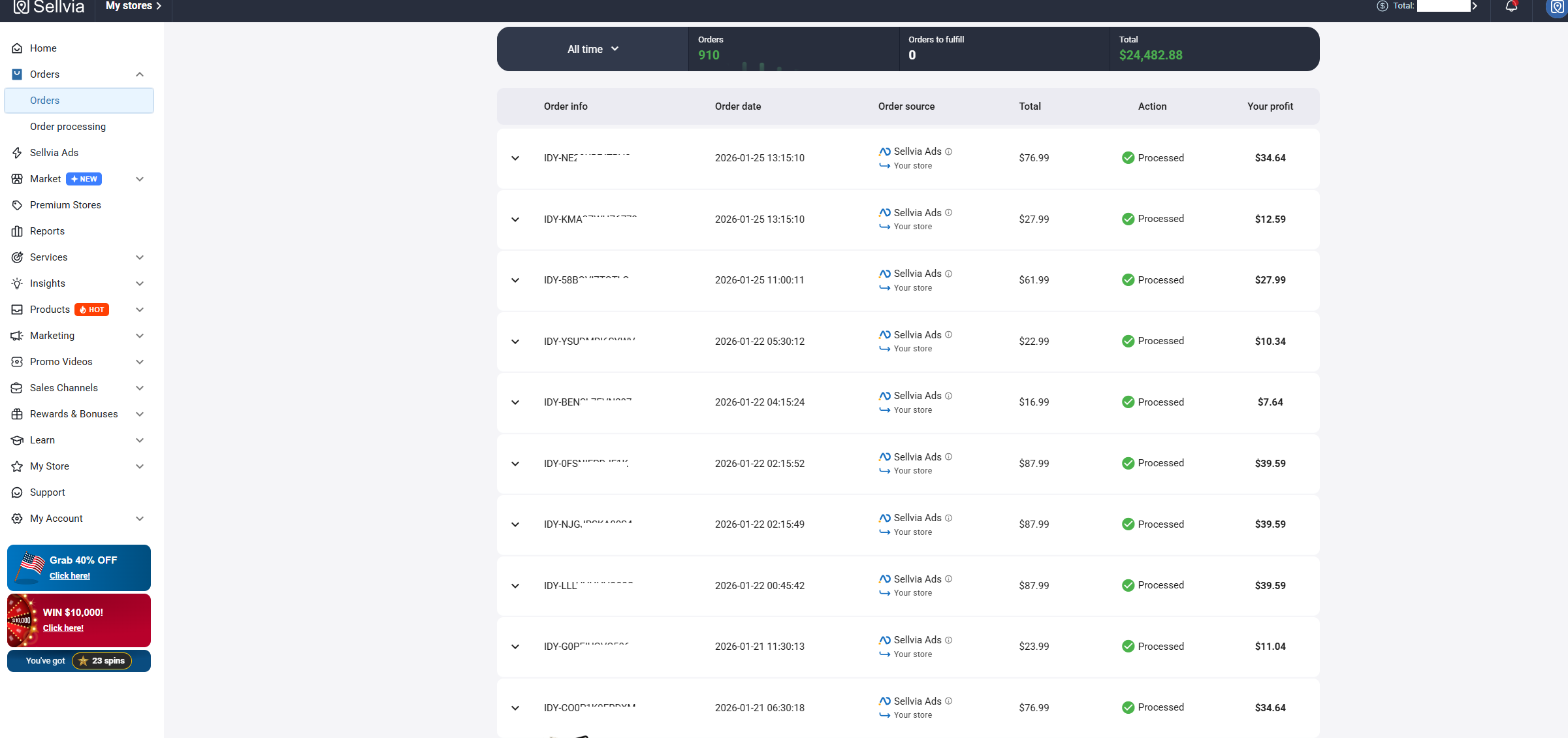
What you see above is not a demo account.
Orders are processed.
Revenue is recorded.
The backend behaves like a functioning ecommerce system.
That doesn’t mean every campaign is profitable.
It means the infrastructure itself is real.
That distinction matters.
The Real Question: Who Carries the Risk?
Here’s where things get uncomfortable.
In this model, you pay for:
-
Custom store setup
-
Monthly subscription
-
Product cost
-
Advertising
They earn from:
-
Setup
-
Subscription
-
Product margin
If your ads don’t convert - you lose.
If CPA rises - you lose.
If margins compress - you lose.
The platform’s subscription doesn’t stop because your ads struggle.
That’s not illegal.
But it is asymmetrical.
And asymmetry is what triggers suspicion.
The Custom Store Isn’t the Hard Part
“Done-for-you” sounds powerful.
But store setup is not where ecommerce gets difficult.
The real pressure points are:
-
Traffic cost
-
Creative performance
-
Conversion rate
-
Refund rate
-
Competition
A custom store solves structure.
It doesn’t solve acquisition.
If someone believes the store itself is the breakthrough, expectations get inflated fast.
When performance doesn’t match that expectation, doubt creeps in.
The Math Is Tight - Very Tight
Let’s break it down in simple numbers.
Example:
Sell price: $49
Product + fulfillment: ~$24
Payment fees: ~$3
Remaining gross margin: ~$22
Now ads enter the picture.
If CPA = $17 → workable.
If CPA = $22 → break-even.
If CPA = $28 → losing money.
Now factor in:
-
7–10% refund rate
-
Creative fatigue
-
Small CPM increases
You don’t need catastrophe to wipe profit.
You just need slight volatility.
This model is extremely margin-sensitive.
That doesn’t make it fraudulent.
But it makes it fragile.
The Money Control Issue (This Is Where People Get Nervous)
Now let’s talk about something more concrete.
Payment flow.
If you use your own PayPal or Stripe, you control:
-
Incoming funds
-
Withdrawal timing
-
Cash flow planning
But when you rely on internal services - whether that’s:
-
Internal advertising services
-
Internal automation
-
Platform-managed processing
- you introduce another layer between you and your money.
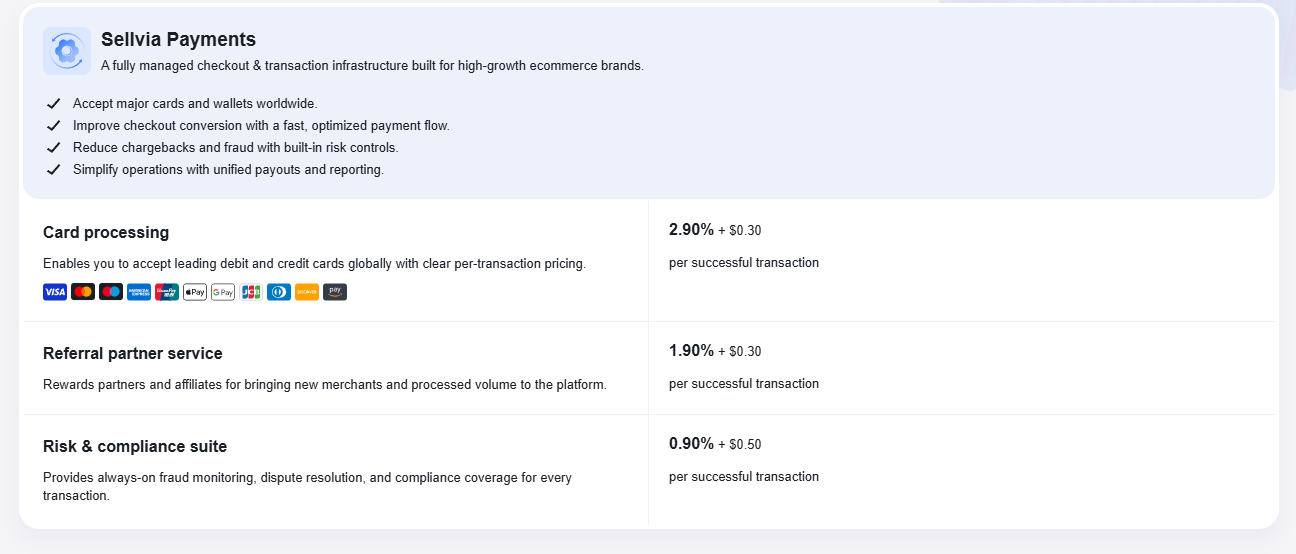
The processing itself might look standard - around 2.9% + per-transaction fee.
But layered with:
-
Product cost
-
Ad service percentages
-
Refund exposure
Margins compress quickly.
There have also been community discussions mentioning temporary reserves - sometimes described in the 20–25% range - held to cover disputes or operational risk before release.
That type of mechanism isn’t unique in ecommerce.
But if you’re expecting full, instant liquidity, even a temporary hold changes how scaling feels.
Cash timing matters.
And in paid traffic models, timing can be the difference between growth and stall.
If You Use Their Advertising Services
Another layer of dependency appears if you outsource ads directly through the platform.
When you run ads yourself, you see everything:
-
CPM
-
CTR
-
Audience performance
-
Creative fatigue
-
Scaling metrics
If you outsource ads, you rely on reporting.
That reduces visibility.
But there’s another piece many people underestimate:
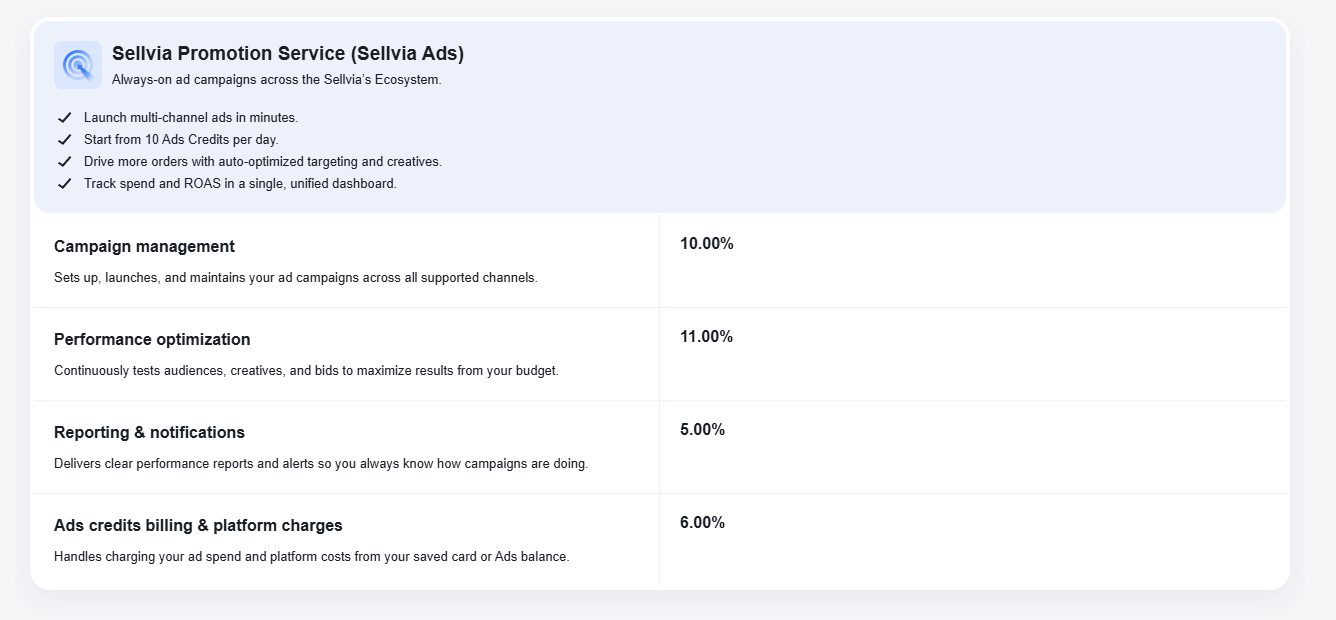
Campaign management, optimization, reporting, billing - each layer carries a percentage.
Individually, these numbers don’t look dramatic.
Stacked together, they shift your break-even point.
If you calculate ROAS using “ad spend only,” you’re missing part of the structure.
Again - not hidden.
But often misunderstood.
Reduced visibility + thin margins = higher stress when results dip.
Not a scam.
Just a tighter system than most expect.
The Closed Ecosystem Effect
When you:
-
Buy the store
-
Pay the subscription
-
Use internal ads
-
Operate inside one environment
You’re inside a loop.
That loop feels efficient - until performance drops.
Then flexibility becomes harder.
Switching systems, gateways, or strategies takes effort.
Closed ecosystems are not illegal.
But they amplify emotional pressure when things slow down.
The Incentive Gap
This is where perception shifts.
If your store struggles for two months, you feel urgency.
Your capital is exposed.
Your testing budget is shrinking.
Meanwhile, the platform:
-
Continues subscriptions
-
Continues onboarding
-
Continues operating
That doesn’t mean they’re exploiting you.
It means their revenue stability isn’t tied to your performance volatility.
That’s a structural fact.
And that’s why some users describe the model as “stacked.”
Is There Evidence of Classic Scam Behavior?
Let’s define scam clearly.
A scam would involve:
-
Fake order systems
-
Non-delivery of products
-
Hidden billing traps
-
Permanent withholding of funds without policy basis
-
Inaccessible support
There’s no structural evidence of those patterns here.
That matters.
But legitimacy does not automatically equal low risk.
Where the Real Risk Lives
The real risk lives in:
-
Paid traffic dependency
-
Margin sensitivity
-
Cash flow timing
-
Inexperience
If you’re undercapitalized and expect fast ROI, this model can feel brutal.
Not because it’s fake.
Because it doesn’t absorb your mistakes.
It exposes them quickly.
So… Is Sellvia Legit?
If “legit” means:
“Does it provide the infrastructure it claims?”
Yes.
If “legit” means:
“Is the opportunity structured in your favor?”
Not necessarily.
It’s structured to be sustainable for the platform.
Your success depends on execution.
Their revenue depends on subscription.
That’s the difference.
What I Would Do Before Paying for Sellvia
If I were starting from zero and evaluating Sellvia today, I wouldn’t ask:
“Is it legit?”
I would ask:
“Am I ready for this specific structure?”
Here’s what I would check first.
1. I’d Calculate My Real Testing Budget
Not “how much the store costs.”
Not “how much ads might cost.”
Actual realistic testing budget.
Because here’s the truth:
You will not hit a winning product on the first ad set.
You will test creatives that flop.
You will test audiences that burn money.
You will misread performance at least once.
If I don’t have room to lose for 3-6 weeks without panicking, I wouldn’t start.
Not because the platform is fake.
Because paid traffic requires tolerance for red days.
2. I’d Decide Who Controls My Money Flow
Before paying anything, I’d clarify:
-
Am I using my own payment gateway?
-
How are payouts structured?
-
Is there any reserve or temporary hold?
-
What’s the withdrawal timeline?
Even temporary reserve systems - if they exist - can affect scaling.
Cash flow speed matters more than people think.
If I don’t understand exactly how money moves, I’m not ready.
3. I’d Separate Infrastructure From Profit
The custom store is infrastructure.
It is not profitability.
If I believe store setup solves market validation, I’m misunderstanding ecommerce.
Before paying, I’d ask:
Do I understand how to validate demand?
Do I understand how to test creatives?
Do I know how to read ad metrics beyond “ROAS good / ROAS bad”?
If not, the platform won’t magically fix that.
4. I’d Ask Myself One Brutal Question
If this doesn’t work in 60 days, can I walk away calmly?
Or will I emotionally double down?
Subscription-based models amplify sunk cost psychology.
The danger isn’t fraud.
The danger is staying too long because “I already invested.”
If I can’t detach financially and emotionally, I’m not operating rationally.
5. I’d Accept That This Is Not Beginner-Safe
Even if it’s beginner-marketed.
There’s a difference.
Beginner-accessible does not mean beginner-forgiving.
If someone:
-
Has never managed ads
-
Has never handled disputes
-
Has never tracked margin properly
Then the learning curve itself becomes expensive.
That’s not deception.
It’s just reality.
6. I’d Compare Control vs Convenience
Convenience feels good.
But control keeps you stable.
If I outsource:
-
Ads
-
Payment flow
-
Core decision-making
I gain simplicity.
But I lose leverage.
Before paying, I’d decide how much control I’m willing to give up.
7. I’d Define What “Legit” Means to Me
For some people, legit means:
“It exists and works.”
For others, legit means:
“It works in my favor.”
Those are different standards.
If my standard is “low-risk and high-margin,” I might be disappointed.
If my standard is “real infrastructure, real fulfillment,” then yes - it meets that.
Clarity prevents resentment.
Why This Matters
Most people ask “Is Sellvia legit?” after something goes wrong.
They don’t ask these questions before paying.
And that’s where regret is born.
Not because the platform is fake.
Because expectations weren’t aligned with structure.
Final Real Talk
Sellvia is not a ghost company.
It’s not a fake dashboard.
It’s not a disappearing-money scheme.
But it is:
-
Subscription-backed
-
Ad-dependent
-
Margin-sensitive
-
Performance-driven
If you understand that before paying, the legitimacy debate becomes clearer.
If you don’t, disappointment can feel like deception.
And that’s where the confusion starts.
 Paid traffic is no joke. Anyone expecting easy mode is gonna have a rough time.