Sellvia vs AliExpress in 2026: where is the real risk?
In 2026 the question is not “which platform is better.”
The question is: where does the structural risk sit?
We are comparing:
Both are tools.
Both can work.
Both can fail.
The difference is in pressure distribution.
1. Product Environment Risk
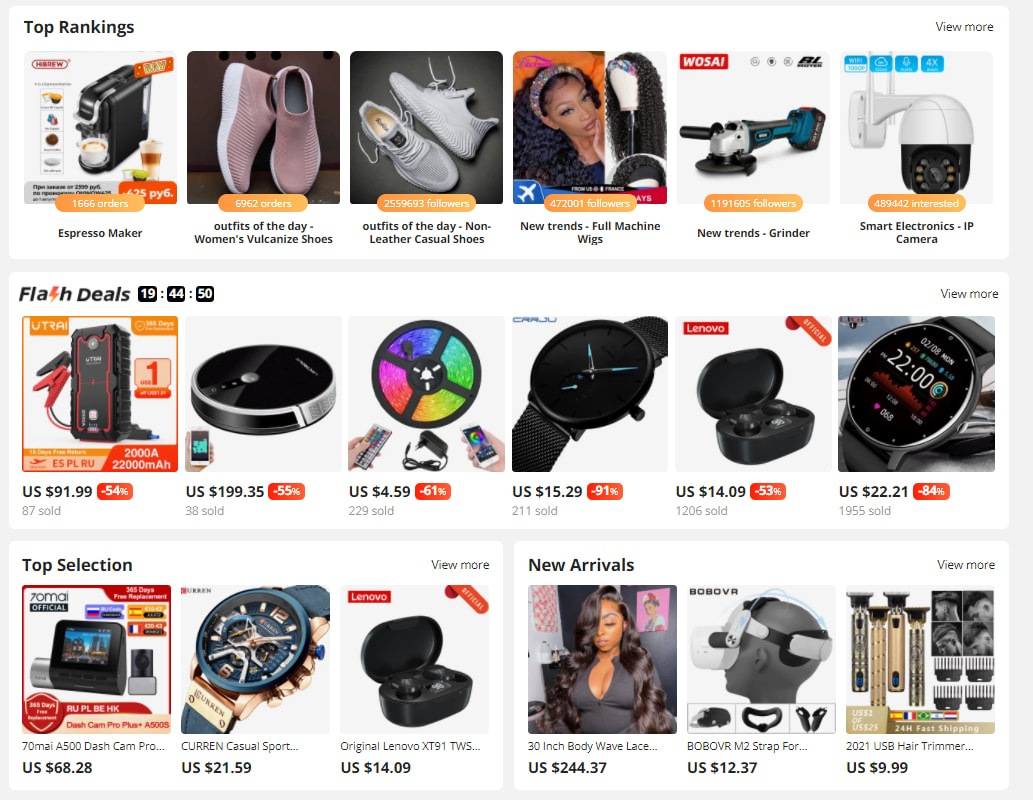
AliExpress: Infinite Optionality
AliExpress gives access to:
-
massive catalog depth
-
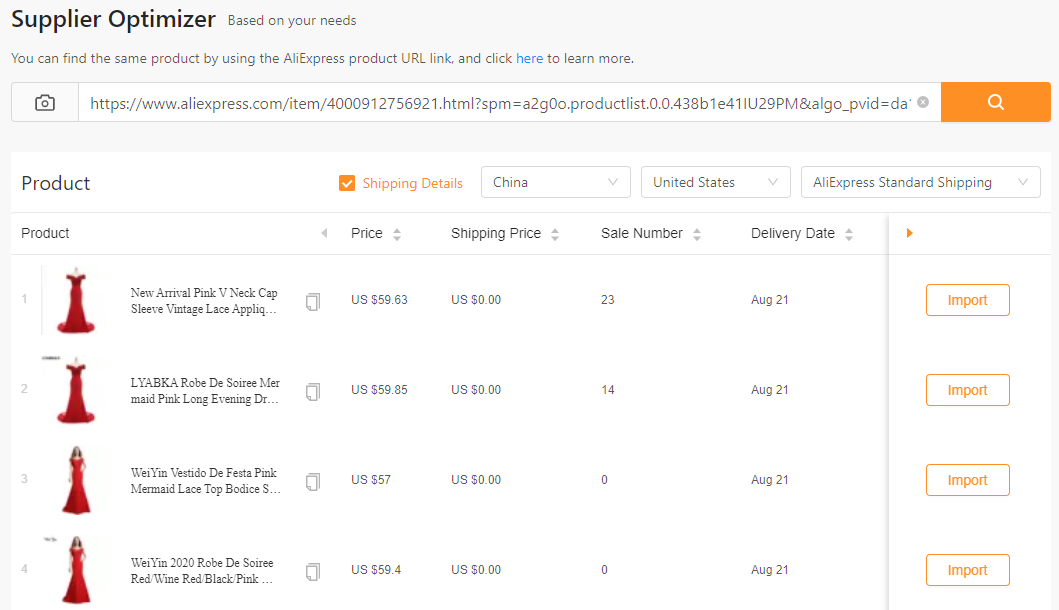
multiple suppliers per product
-
aggressive price competition
-
constant trend rotation
Operationally this creates flexibility.
Strategically it creates fragmentation.
When supply is unlimited:
-
positioning weakens
-
brand cohesion erodes
-
stores become product collections, not brands
High optionality reduces commitment.
Inexperienced sellers over-test, under-optimize, and rotate products before extracting signal from data.
Risk here is not shipping.
Risk is structural inconsistency.
Sellvia: Constrained Catalog Structure
Sellvia operates with:
-
curated inventory
-
centralized fulfillment logic
-
US-based shipping angle
-
limited supplier variability
Constraint changes behavior.
With fewer product choices:
-
offer optimization becomes mandatory
-
AOV strategy matters
-
creative differentiation matters
-
conversion rate improvements matter
There is less room to escape poor execution by “switching product.”
Risk shifts from product selection to marketing precision.


2. Logistics Risk Distribution
Shipping time is not just operational.
It is psychological leverage.
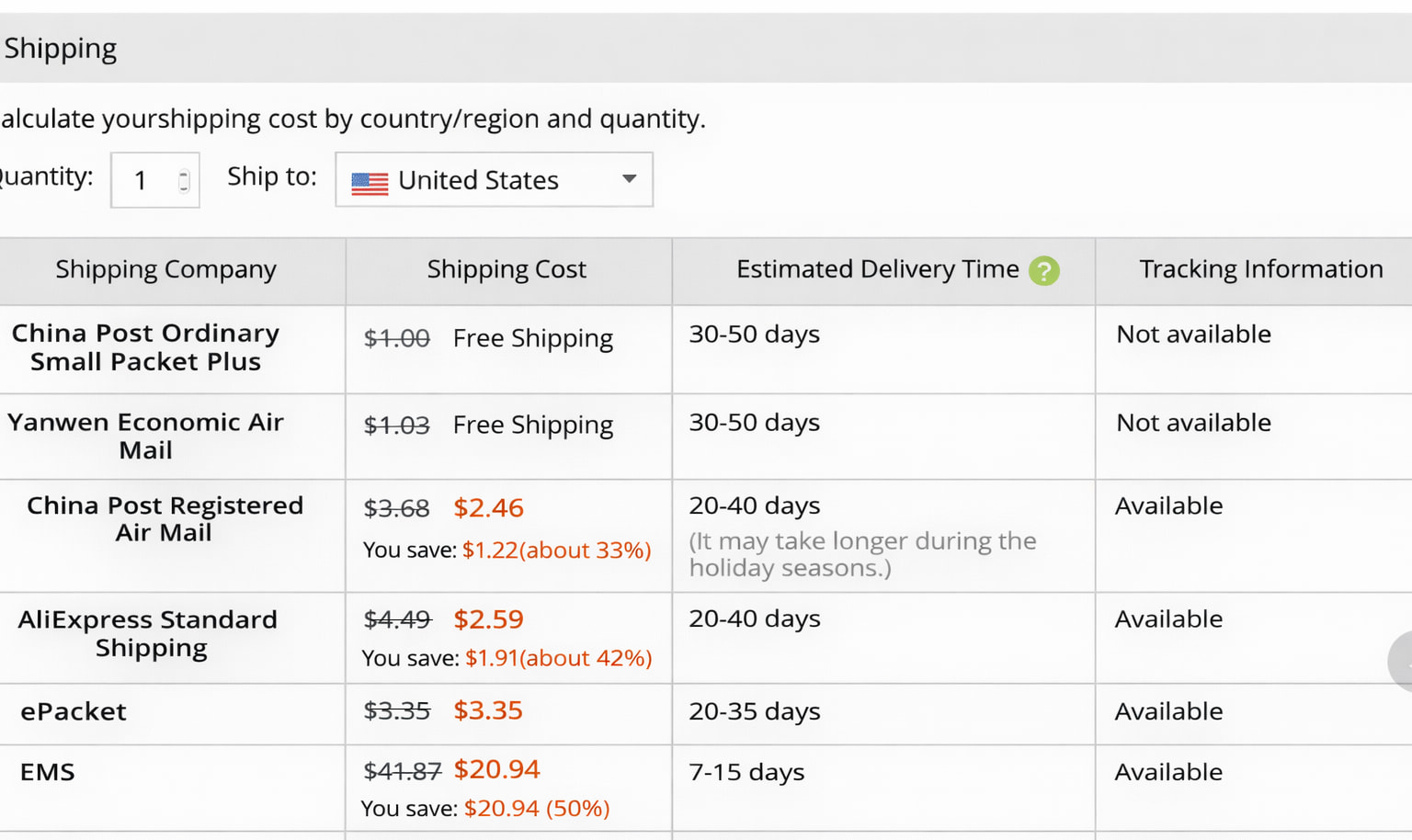
AliExpress Logistics Model
Typical dynamics:
-
international fulfillment
-
10-20+ day delivery windows
-
variable supplier consistency
-
higher “where is my order” volume
Extended shipping increases:
-
refund probability
-
chargeback exposure
-
support load
-
trust friction
Low product cost does not equal low operational risk.
Refund rate scales non-linearly with ad spend.
As volume increases, friction compounds.
Sellvia Logistics Model
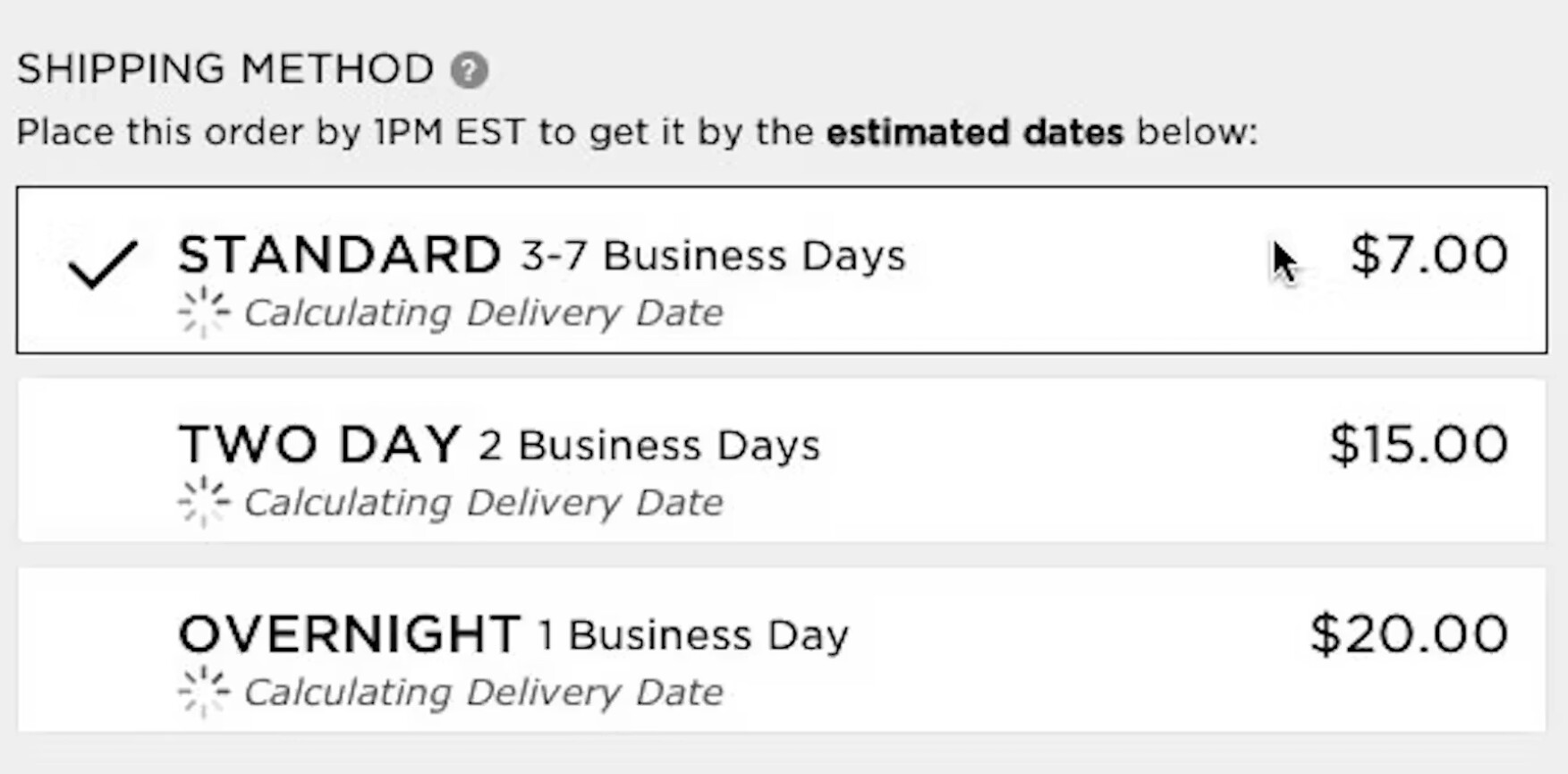
Sellvia’s US-warehouse positioning shifts the equation:
-
shorter delivery window
-
lower delivery anxiety
-
stronger perceived legitimacy
-
reduced refund tension
However, faster shipping raises expectation standards:
-
packaging consistency
-
support speed
-
brand presentation
-
operational discipline
Risk does not disappear.
It moves from logistics chaos to brand execution quality.
3. Cost Structure & Margin Pressure
AliExpress advantages:
-
lower upfront product cost
-
flexible supplier selection
-
high testing velocity
AliExpress structural risks:
-
thinner perceived value
-
higher dispute exposure
-
margin erosion through refund friction
Sellvia advantages:
-
stronger conversion positioning
-
US shipping credibility
-
reduced delivery-related refunds
Sellvia structural risks:
-
higher base product cost
-
tighter ad efficiency requirements
-
lower tolerance for poor creative performance
In 2026, ad costs compress margins across both models.
When CPM rises:
-
AliExpress feels pressure through refund drag
-
Sellvia feels pressure through margin squeeze
Different mechanics. Same outcome if unmanaged.
4. Structural Risk Summary
AliExpress risk concentration:
-
operational inconsistency
-
supplier variability
-
refund compounding
-
brand fragmentation
Sellvia risk concentration:
-
marketing dependency
-
expectation inflation
-
margin sensitivity
-
limited catalog elasticity
Neither model is inherently safer.
They distribute risk differently across:
-
operations
-
marketing
-
customer psychology
-
cash flow timing
Understanding where risk accumulates is more important than debating which supplier is “better.”
That’s the real comparison.
5. Advertising Economics Under Real Market Conditions
Once traffic starts flowing, supplier choice stops being philosophical and becomes mathematical.
In 2026, ad environments are less forgiving. CPM volatility is normal. Platform algorithms optimize faster, but they also punish weak signals faster. That means your backend structure must absorb acquisition instability.
With AliExpress, acquisition is usually built around testing velocity. The logic is simple: lower product cost reduces perceived downside per test. You can cycle through multiple SKUs quickly, kill losers fast, and attempt to ride momentum when something sticks.
The hidden assumption is that friction stays stable.
But friction does not stay stable at scale.
When volume increases:
-
delivery variance increases
-
support tickets increase
-
refund probability increases
-
dispute exposure increases
Acquisition metrics do not immediately reflect backend deterioration. ROAS may look acceptable while post-purchase drag quietly erodes net profit.
AliExpress acquisition is elastic but backend-sensitive.
With Sellvia, the economics invert. Product cost is higher, so break-even thresholds are tighter from the beginning. That reduces room for sloppy targeting or mediocre creatives.
However, backend volatility may be lower due to fulfillment structure. Fewer delivery surprises can mean fewer refund spikes tied purely to shipping delays.
Sellvia acquisition stress appears at the top of the funnel.
AliExpress stress often appears after the sale.
6. Creative Fatigue and Replication Speed
Creative lifespan is shorter in commoditized ecosystems.
AliExpress products are often widely available across multiple stores. When a winning creative emerges, it is replicated quickly. This compresses advantage duration.
Replication leads to:
-
auction competition increase
-
CPM escalation
-
conversion rate decline
-
pricing pressure
To compensate, sellers either:
-
reduce price
-
increase spend
-
rotate product
Each reaction introduces new risk.
Product rotation resets data history. Pricing reduction compresses margin. Spend increases amplify backend friction exposure.
Sellvia’s curated catalog can reduce immediate replication intensity because catalog overlap is narrower than open marketplaces. Differentiation may last longer if positioning is clear.
However, differentiation requires work. If creative strategy is weak, higher base cost amplifies inefficiency.
AliExpress punishes lack of speed.
Sellvia punishes lack of depth.
7. Margin Compression Scenarios
Margin pressure does not come only from ad costs.
It comes from interaction between acquisition cost and operational drag.
AliExpress Compression Model
Consider this structural chain:
-
CPM increases 15%
-
Conversion rate drops slightly due to delivery skepticism
-
Refund rate rises from 4% to 6%
-
Support workload increases
Individually, each change looks manageable.
Combined, they destabilize margin durability.
The issue is compounding.
Refund cash drag affects reinvestment capacity. Payment processor reserves may tighten under dispute spikes. Supplier inconsistency increases variability in customer satisfaction.
AliExpress compression tends to be progressive.
Profit looks fine - until it isn’t.
Sellvia Compression Model
Sellvia compression tends to be immediate.
If acquisition cost rises:
-
break-even threshold is crossed quickly
-
campaign scalability halts
-
cash flow tightens immediately
However, backend drag may be more stable if delivery expectations are met.
Sellvia’s vulnerability is acquisition precision.
AliExpress vulnerability is operational variability.
Different pressure vectors.
8. Refund Compounding and Capital Lock
Refund percentage is not the only metric.
Capital timing matters.
With international fulfillment models, delivery windows are longer. That increases time exposure between order placement and final satisfaction.
Longer exposure means:
-
longer dispute windows
-
higher probability of chargeback filing
-
delayed revenue certainty
If disputes escalate, payment processors may impose rolling reserves.
Capital becomes partially inaccessible.
This creates scaling friction even if gross profit appears healthy.
Sellvia’s faster fulfillment reduces exposure window. If satisfaction or dissatisfaction is expressed quickly, financial clarity improves faster.
However, expectation inflation is real.
When marketing emphasizes fast delivery and legitimacy, tolerance for error shrinks.
A single inconsistency can trigger disproportionate dissatisfaction.
AliExpress risk = delayed instability.
Sellvia risk = concentrated expectation pressure.
9. Operational Bandwidth Requirement
Scale requires systemization.
AliExpress scaling often increases operational bandwidth needs:
-
multiple supplier management
-
quality inconsistency monitoring
-
SKU diversification control
-
tracking normalization
Each additional supplier increases communication complexity.
Each additional SKU increases variability.
Without standardized SOPs, operational drag consumes margin.
Sellvia’s centralized logic may reduce supplier coordination complexity.
But marketing bandwidth requirements increase.
Creative iteration cycles must accelerate.
Landing page optimization must deepen.
AOV architecture must evolve.
Scale shifts effort from logistics management to strategic marketing architecture.
AliExpress scaling strains operations.
Sellvia scaling strains marketing systems.
10. Brand Cohesion and Long-Term Equity
Brand cohesion influences long-term durability.
AliExpress-based stores often begin product-first.
The catalog defines the store.
That flexibility accelerates early experimentation but may fragment identity.
When brand identity is weak:
-
repeat purchase probability declines
-
paid acquisition dependency increases
-
differentiation erodes
Sellvia’s structured catalog can make brand narrative easier to maintain.
Fewer SKUs, clearer positioning, tighter messaging.
However, brand narrative must be intentionally developed.
Structure does not automatically create brand equity.
AliExpress allows horizontal scaling.
Sellvia encourages vertical depth.
Horizontal models distribute risk across products.
Vertical models concentrate risk on positioning quality.
11. Cash Flow Timing and Stress Response
Cash flow timing determines stress tolerance.
AliExpress entry cost is lower.
That reduces barrier to entry and allows smaller tests.
But backend drag may introduce delayed stress:
-
refunds weeks later
-
disputes after delivery window
-
reserve adjustments
Stress accumulates gradually.
Sellvia requires higher confidence upfront due to tighter margin structure.
If campaigns fail, feedback is fast.
Failure visibility is high.
Fast failure can be advantageous because capital is not locked in prolonged uncertainty.
Immediate stress is measurable.
Delayed stress is unpredictable.
Which stress profile is preferable depends on capital resilience and operational discipline.
12. Systemic Failure Modes
AliExpress common systemic breakdown:
-
product hopping cycle
-
insufficient differentiation
-
supplier inconsistency
-
refund compounding
-
margin erosion masked by revenue growth
Sellvia common systemic breakdown:
-
weak offer architecture
-
no AOV layering
-
unrealistic ROAS expectations
-
creative stagnation
-
immediate acquisition inefficiency
Neither system guarantees success.
Both require disciplined execution.
AliExpress distributes risk across logistics and supplier variability.
Sellvia concentrates risk into marketing precision and expectation alignment.
The model that feels safer initially may carry hidden compounding risk later.
The model that feels expensive initially may provide clearer performance signals sooner.
Understanding where instability accumulates - acquisition layer, fulfillment layer, margin layer, or expectation layer - determines survivability.
In 2026, the real risk is not supplier selection.
It is misalignment between business model and operational capability.
Supplier choice only determines where pressure appears first.
13. Strategic Alignment: Choosing a Risk You Can Actually Manage
The real decision is not between two suppliers.
It is between two operational stress models.
Every business model has a dominant failure pattern. The mistake most founders make is choosing a model whose failure pattern conflicts with their skill set.
AliExpress structurally favors adaptability.
If you:
-
tolerate ambiguity
-
move fast under uncertainty
-
accept supplier variability
-
optimize through iteration
then operational flexibility becomes an advantage rather than a liability.
However, flexibility requires systems. Without dashboards, refund tracking discipline, supplier evaluation logic, and margin monitoring, flexibility turns into chaos.
AliExpress rewards operators who think in portfolios, not single-product bets.
It works best when risk is distributed intentionally across SKUs and campaigns.
Sellvia structurally favors precision.
If you:
-
prefer controlled variables
-
focus on offer engineering
-
optimize funnels methodically
-
track economics closely
then constraint becomes leverage rather than limitation.
However, precision requires competence. If marketing fundamentals are weak, constraint magnifies weakness.
Sellvia rewards operators who think in unit economics, not product rotation.
It works best when risk is controlled through tighter acquisition logic and AOV strategy.
The most important distinction is cognitive, not logistical.
AliExpress requires tolerance for moving parts.
Sellvia requires tolerance for tighter margins and sharper performance accountability.
Neither model eliminates uncertainty.
They simply shift its location.
If you misjudge where your team is strong, instability appears exactly where you are weakest.
Businesses do not fail because risk exists.
They fail because risk concentrates in unmanaged zones.
Choosing between these models is not about safety.
It is about selecting a pressure environment your systems, capital structure, and decision-making style can absorb.
In a high-CPM, high-skepticism 2026 market, survivability depends less on supplier and more on structural coherence.
If acquisition logic, fulfillment expectations, and margin assumptions are aligned, either model can sustain.
If they are misaligned, neither will.
The real risk is not the platform.
It is choosing a system that conflicts with how you operate under stress.